

What Families Often Overlook About Memorial Parks
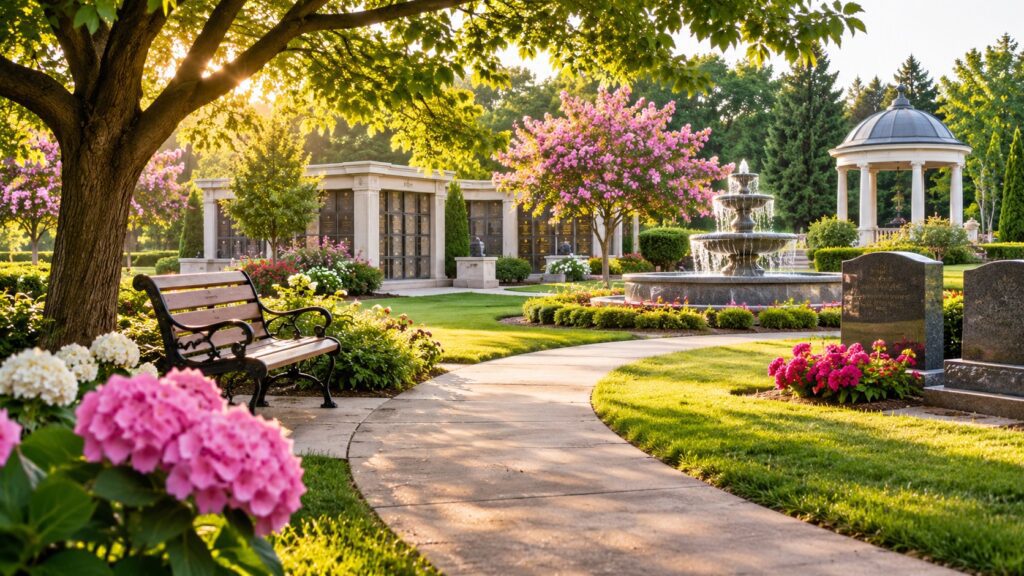
Choosing a final resting place involves more than finding a peaceful landscape. When families consider a memorial park cemetery in Tulsa, OK, they often focus on appearance without considering the lasting significance of the space. We believe understanding memorial options, grounds care, and family traditions can make this decision more meaningful. A memorial park serves as more than a burial location. It becomes a permanent place where memories remain connected to future generations.
Many families are surprised by the variety of choices available within a thoughtfully designed memorial park. At Rolling Oaks Memorial Gardens, we recognize that every family has different wishes, traditions, and expectations. From traditional burial spaces to personalized cremation memorials, understanding these possibilities helps families make informed decisions. We encourage looking beyond the landscape to consider how a memorial space will support remembrance, reflection, and family connections for years to come.
The Importance of Long-Term Grounds Care
One detail families sometimes overlook is how cemetery grounds are maintained over time. A peaceful setting today should remain a welcoming place for future visits. Landscaping, pathways, trees, and memorial spaces all contribute to the experience of returning to remember someone special.
Three Grounds Care Details Worth Considering
We encourage families to evaluate:
- Ongoing maintenance: How lawns, pathways, trees, and shared spaces receive regular attention.
- Perpetual care provisions: What maintenance responsibilities are covered and how long-term care is supported.
- Memorial regulations: How cemetery policies help maintain a respectful and consistent appearance.
A well-maintained memorial park provides more than visual beauty. Clear pathways make visits easier, maintained lawns create a respectful atmosphere, and thoughtfully arranged memorial areas allow families to spend time together without unnecessary distractions.
We believe understanding these responsibilities helps families select a resting place that will remain meaningful for future generations.
Memorial Options Extend Beyond Traditional Burial
Many families associate memorial parks primarily with traditional ground burial. However, modern cemeteries often provide several ways to establish a permanent tribute.
Common Memorial Choices Families May Overlook
We encourage families to consider options such as:
- Traditional burial spaces: Dedicated gravesites that provide a permanent place for remembrance.
- Cremation gardens: Landscaped spaces where cremated remains receive respectful placement.
- Columbarium niches: Designated compartments that provide permanent placement for cremated remains.
- Personalized monuments: Memorial features that recognize an individual’s life and legacy.
For example, cremation garden burials offer a dedicated resting place within a landscaped setting.
Permanent placement can be especially meaningful when families want a shared destination for remembrance. A designated memorial provides a consistent location where relatives and future generations can gather.
We recommend discussing whether family members wish to be memorialized near one another. Understanding available arrangements helps families select an option that respects personal preferences and traditions.
Personalization Creates a More Meaningful Tribute
A memorial should reflect the individual it honors. Yet families sometimes underestimate how many details can make a permanent tribute feel personal.
Four Ways to Personalize a Memorial
We encourage families to consider:
- Meaningful inscriptions: Names, dates, and carefully selected words that communicate a person’s legacy.
- Memorial materials: Granite, bronze, and other approved materials that suit the chosen design.
- Personal symbols: Religious imagery, meaningful designs, or other permitted representations of personal values.
- Family connections: Memorial arrangements that recognize relationships between generations.
Families considering memorials that reflect personal values may benefit from discussing these details before making arrangements.
Personalization also extends beyond the memorial itself. The surrounding landscape, nearby family spaces, and opportunities for quiet reflection can shape how visitors experience remembrance.
We encourage asking which designs, materials, and inscriptions are permitted within a particular cemetery section.
A carefully selected tribute can communicate a person’s story to relatives who never had the opportunity to know them personally.
Family Accessibility Matters More Than Expected
A memorial park may appear peaceful during an initial visit, but families should also consider how comfortable and accessible the grounds will be during future visits.
Accessibility Features Worth Reviewing
We recommend paying attention to:
- Walking distances: How far visitors must travel from parking areas to memorial spaces.
- Pathways and roads: Whether the grounds provide convenient access for relatives with different mobility needs.
- Visiting arrangements: Cemetery hours and policies that may affect family gatherings.
- Seasonal conditions: How changing weather and landscaping influence access throughout the year.
Accessibility also involves understanding how families plan to visit. Some prefer quiet individual moments, while others value gathering during birthdays, anniversaries, or meaningful holidays.
We encourage families to walk through the grounds rather than evaluating a cemetery solely through photographs.
Visiting in person offers a clearer understanding of the landscape, memorial arrangements, and overall atmosphere.
A memorial space should feel welcoming to those who return. Considering accessibility before selecting a location helps ensure remembrance remains comfortable and meaningful for different generations.
Planning Ahead Helps Preserve Family Wishes
One frequently overlooked benefit of memorial planning is the opportunity to communicate personal wishes before arrangements become necessary.
When decisions are postponed, relatives may feel uncertain about burial preferences, memorial designs, or family traditions.
Three Important Pre-Planning Conversations
We encourage families to discuss:
- Preferred memorial arrangements: Whether traditional burial or permanent cremation placement best reflects personal wishes.
- Family memorial connections: Whether relatives prefer individual spaces or arrangements that allow family members to remain near one another.
- Personalization preferences: Which inscriptions, monument styles, and memorial features carry special meaning.
Our approach to pre-planning cemetery arrangements emphasizes thoughtful conversations and informed decisions.
Planning ahead does not remove the emotions associated with loss. However, it can provide clarity by ensuring important preferences have been discussed.
We encourage families to document their wishes and share them with trusted relatives. Clear communication helps preserve personal choices while allowing loved ones to focus on remembrance.
A meaningful memorial park should provide more than an attractive landscape. It should offer a lasting place for family connections, personal tributes, and peaceful reflection. When considering a memorial park cemetery in Tulsa, OK, we encourage families to remember five essential considerations: long-term grounds care, available memorial options, personalization, accessibility, and advance planning. These five factors help create a permanent resting place that reflects individual wishes while supporting future generations. At Rolling Oaks Memorial Gardens, we understand the importance of thoughtful decisions about remembrance. Our commitment to traditional burial, personalized memorials, and distinctive cremation gardens reflects the different ways families honor loved ones. Call us at (918) 299-5705 to schedule a personal consultation and discuss memorial arrangements that respect your family’s wishes.